
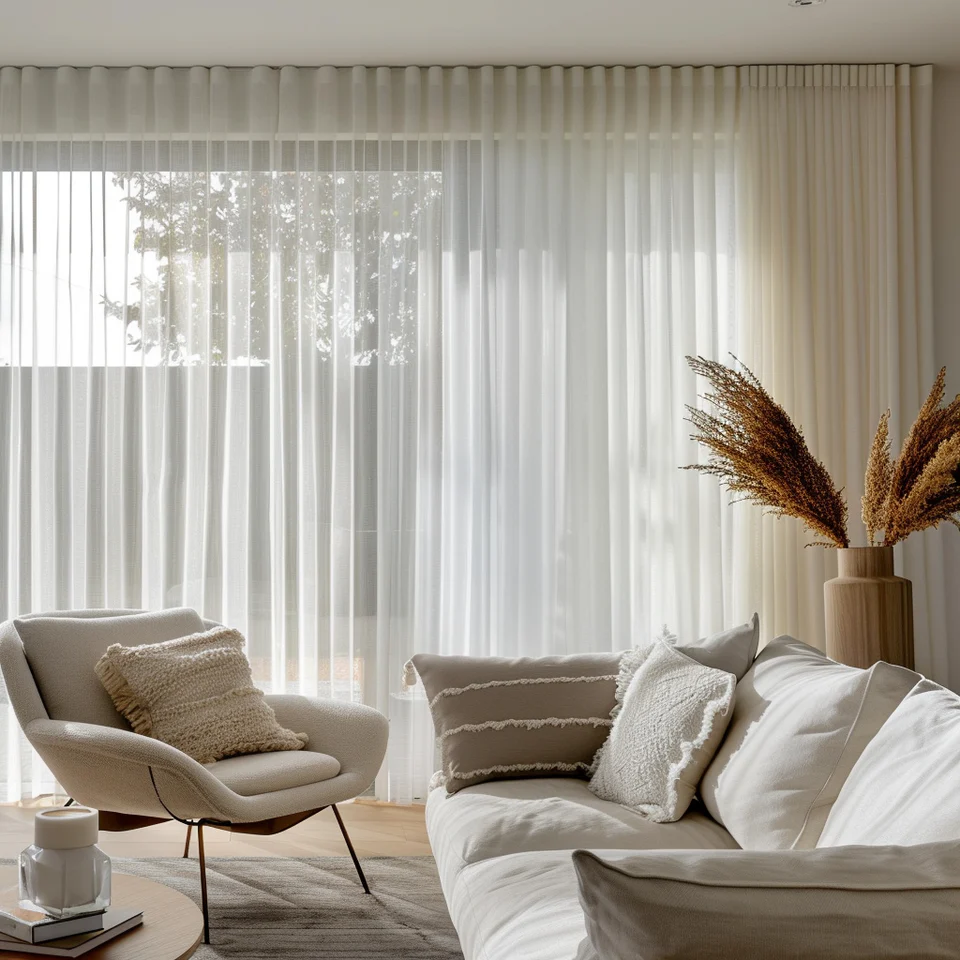
Curtain styles play a major role in shaping the visual rhythm and atmosphere of an interior space. Among the many heading designs available today, the wave curtain has gained attention for its smooth, continuous folds and modern aesthetic. Its structured yet fluid appearance creates a balanced look that works well in both residential and professional environments.
Understanding what defines this curtain style, how it differs from other headings, and why it has become increasingly popular can help homeowners, designers, and property managers make informed interior decisions. This guide explores the structure, function, and practical considerations behind wave curtains in depth.
The Unique Wave Fold Design and How It Enhances Interior Spaces
The defining feature of wave curtains is their consistent, flowing ripple pattern. Unlike traditional pleats that gather fabric into structured bunches at the top, wave curtains create evenly spaced folds that run from the ceiling to the floor in a continuous motion.
This design is achieved through a specially designed track system and evenly spaced carriers that guide the fabric into uniform waves. The result is:
- A clean, symmetrical look
- A soft, fluid visual effect
- Balanced distribution of fabric across the track
- A contemporary appearance that complements minimalist interiors
Because the folds remain consistent even when the curtains are partially open, the visual effect stays refined at all times. This is particularly effective in modern spaces with large glass panels, where the curtain becomes a design feature rather than just a functional covering.
Wave curtains also create an illusion of height when mounted close to the ceiling, helping rooms feel more spacious and open.
How Fabric Choice Influences the Flow and Structure of Wave Curtains
Fabric plays a critical role in achieving the perfect wave effect. Not all materials behave the same way when formed into uniform folds.
Lightweight fabrics:
- Create softer, more relaxed waves
- Allow more natural light to pass through
- Provide an airy, casual atmosphere
Medium-weight fabrics:
- Maintain clearer wave definition
- Offer better light control
- Balance privacy with aesthetics
Heavier fabrics:
- Produce more structured folds
- Enhance insulation properties
- Improve acoustic performance in larger rooms
The fabric must be compatible with the specialized track system used for a wave curtain. If the material is too stiff or too heavy without proper support, the folds may lose their smooth rhythm.
Additionally, fabric transparency influences how light interacts with the folds. Sheer fabrics highlight the shape of the waves when backlit, while opaque fabrics emphasize the architectural precision of the heading.
Differences Between Wave Style and Other Curtain Heading Types
To understand the popularity of wave curtains, it is helpful to compare them with other common heading styles.
Pleated Curtains
Pleated styles gather fabric at the top, creating structured vertical folds. While elegant, they can appear more traditional and formal.
Eyelet Curtains
Eyelet designs use metal rings at the top that slide along a rod, creating larger, rounded folds. Unlike wave curtains, the spacing of these folds can vary depending on how the curtain is positioned. For reference, eyelet curtains rely on visible hardware, which contributes to their decorative appeal.
Pencil Pleat Curtains
These feature tightly gathered fabric that creates a textured look. They offer flexibility but lack the uniform, flowing appearance of wave designs.
Wave curtains stand out because:
- Their folds remain evenly spaced
- The track is usually discreet or concealed
- The appearance remains consistent whether open or closed
- The style complements modern architecture
This consistency is a major reason why they are increasingly specified in contemporary interior projects.
Why Wave Curtains Create a Modern and Minimalist Appearance
Modern interior design often prioritizes simplicity, clean lines, and understated elegance. Wave curtains align naturally with these principles.
Key characteristics that enhance minimalist spaces include:
- Straight vertical fall from ceiling to floor
- Lack of bulky gathering at the top
- Hidden or subtle track systems
- Uniform symmetry across large windows
Because the waves are evenly structured, they introduce texture without visual clutter. The smooth repetition of folds creates rhythm while maintaining simplicity.
In rooms dominated by glass, concrete, or neutral palettes, wave curtains soften the space without overwhelming it. They act as a bridge between architectural elements and furnishings.
The understated hardware also supports a streamlined look. Unlike decorative rods, the track system is often recessed or mounted discreetly, keeping attention on the fabric rather than the mechanism.
Measuring Windows Correctly for a Consistent Wave Effect
Accurate measurement is essential for achieving a proper wave effect. Unlike traditional curtains that allow flexibility in fullness, wave curtains require precise planning.
Step 1: Measure the Track Width
The track width determines how the waves will distribute across the window.
Step 2: Calculate Fabric Fullness
Wave curtains typically require approximately double the track width to maintain consistent folds.
Step 3: Determine Mounting Height
Mounting close to the ceiling enhances vertical flow and maximizes the visual height of the room.
Step 4: Account for Floor Clearance
Curtains can either slightly hover above the floor or gently touch it for a tailored appearance.
The type of track used differs from standard office curtains installations, especially in commercial settings where durability and uniformity are critical. Ensuring precise alignment and even spacing between carriers prevents distortion in the wave pattern.
Careful measurement ensures that the curtain glides smoothly and maintains symmetrical folds when opened or closed.
Practical Advantages of Wave Curtains for Large Glass Areas
Wave curtains are particularly effective for expansive windows, sliding doors, and floor-to-ceiling glazing.
Benefits for large glass surfaces include:
- Smooth stacking when fully open
- Uniform coverage when closed
- Balanced light diffusion
- Enhanced acoustic absorption in wide spaces
Because the folds remain structured even when drawn back, the curtains do not appear bulky. This is especially important in rooms where open views are a design priority.
In offices, hospitality spaces, and conference rooms, wave curtains provide a professional appearance while offering flexible light control. Their structured design supports consistent branding and interior aesthetics across large areas.
They are also well suited for automated systems, as the track design supports motorized movement with minimal friction.
Maintenance and Cleaning Considerations for Wave-Style Drapery
Maintaining wave curtains involves both fabric care and track upkeep.
Fabric Care
- Follow manufacturer washing instructions
- Use gentle cycles for delicate fabrics
- Avoid overloading washing machines
- Steam lightly to restore fold shape
Track Maintenance
- Remove dust from carriers periodically
- Ensure gliders move smoothly
- Check for alignment issues
Because the folds are structured, improper cleaning can temporarily affect their shape. Steaming helps restore the smooth wave pattern without flattening the fabric.
In commercial spaces, routine inspections ensure that heavy daily use does not affect track performance. Proper maintenance preserves both appearance and functionality over time.
Ideal Room Settings Where Wave Curtains Perform Best
Wave curtains are versatile, but certain environments highlight their strengths particularly well.
Living Rooms
They complement large windows and sliding glass doors, creating a cohesive and elegant look.
Bedrooms
When paired with blackout lining, they provide effective light control while maintaining a refined appearance.
Offices
Their clean lines support professional aesthetics without visual distraction.
Hospitality Spaces
Hotels and lounges benefit from their consistent structure and soft ambiance.
Conference Rooms
They allow adjustable privacy and light control while maintaining a uniform design theme.
Their adaptability across different room types contributes significantly to their growing popularity.
Conclusion
Wave curtains have become popular due to their balanced combination of aesthetics and functionality. Their uniform folds, minimalist appeal, and compatibility with modern track systems make them suitable for a wide range of interior settings.
From residential living rooms to large commercial environments, wave curtains provide consistent structure, smooth operation, and refined visual rhythm. With proper measurement, suitable fabric selection, and regular maintenance, they offer both practical benefits and lasting design value.
FAQs
- What makes wave-style curtains different from pleated curtains?
Wave curtains create evenly spaced, continuous folds that run from ceiling to floor, while pleated curtains gather fabric at the top into structured bunches. - Are wave curtains suitable for small rooms?
Yes. Their vertical flow can make smaller spaces feel taller and more open, especially when mounted close to the ceiling. - Which fabrics work best for a consistent wave pattern?
Medium-weight fabrics generally provide the best balance between structure and softness, maintaining uniform folds without appearing stiff. - Can wave curtains be motorized?
Yes. Their track-based system is compatible with motorized mechanisms, making them suitable for smart home integration. - How do you maintain the shape of wave curtains?
Regular steaming and proper hanging help preserve the uniform folds. Ensuring the track system remains clean also supports smooth movement. - Are wave curtains appropriate for professional environments?
Absolutely. Their clean lines and symmetrical appearance make them well suited for offices, conference rooms, and hospitality settings.