
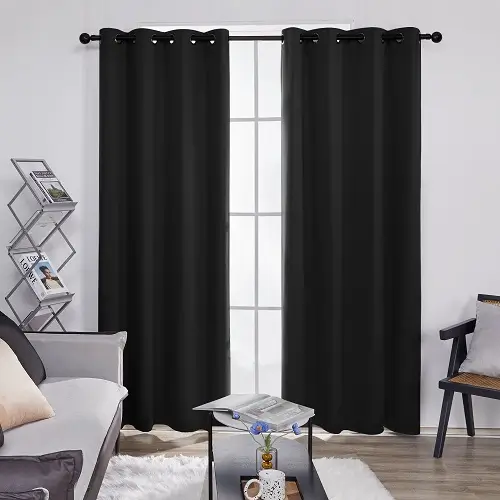
 Curtains are more than simple window coverings. They influence lighting, privacy, acoustics, insulation, and the overall mood of a space. When thoughtfully selected, they become a defining design feature that enhances both comfort and aesthetics. Among the many options available, luxury curtains stand out for their superior materials, refined craftsmanship, and elevated visual appeal.
Understanding what makes curtains “luxury” goes beyond appearance. It involves fabric quality, structure, detailing, and how well they integrate with the room’s function. This guide explores what defines high-end curtains and explains the practical and aesthetic benefits they bring to modern interiors.
What Defines High-End Curtains in Modern Interior Design Standards
High-end curtains are defined by a combination of premium materials, precise tailoring, and intentional design. Unlike standard ready-made panels, they are often custom-fitted to the dimensions and style of a space.
Several factors distinguish them:
- Carefully selected fabrics with rich texture and durability
- Precise measurements that ensure a perfect drape
- Structured headings such as pinch pleats or tailored folds
- Quality linings that enhance functionality
- Professional finishing details including weighted hems
In contemporary design, high-end curtains are used to create visual height, soften architectural lines, and frame views in an elegant manner. They are often installed from ceiling to floor to elongate walls and create a sense of spaciousness.
Key Fabric Types Commonly Used in Premium Window Treatments
Fabric is the foundation of any curtain’s quality and performance. Premium curtains rely on textiles that offer both beauty and resilience.
Common luxury fabrics include:
- Velvet: Dense and plush, excellent for insulation and sound absorption
- Silk: Lightweight yet elegant, often paired with lining for durability
- Linen: Natural texture with breathable properties
- Jacquard and brocade: Intricate woven patterns that add depth
- High-thread-count cotton blends: Smooth finish with versatile styling
Fabric selection influences how curtains hang, how they interact with light, and how they feel in the room. For example, heavier materials create dramatic folds and block more light, while lighter materials provide softness and gentle diffusion.
Premium options such as luxury curtains typically emphasize fabric integrity, ensuring that color richness and structure remain intact over time.
How Texture, Weight, and Lining Affect Light Control and Privacy
Luxury curtains are not chosen solely for their visual appeal. Their structure directly impacts how they manage natural light and privacy.
Texture
Textured fabrics create visual depth and tactile interest. Thick textures diffuse light softly, while smooth surfaces reflect it more evenly. Texture also affects the way curtains fold and drape.
Weight
Heavier fabrics:
- Provide stronger light blockage
- Improve insulation
- Offer better sound dampening
- Create more dramatic visual presence
Lighter fabrics:
- Allow filtered daylight
- Maintain an airy atmosphere
- Work well in layered window treatments
Lining
Lining plays a crucial role in functionality. High-quality lining:
- Protects the outer fabric from sun damage
- Enhances blackout capability
- Improves thermal performance
- Adds structure to the drape
Interlining, a thicker layer between fabric and lining, adds fullness and insulation, making curtains appear more substantial and refined.
The Role of Craftsmanship and Stitching in Curtain Durability
Craftsmanship determines how well curtains maintain their form over time. Even the finest fabric can lose appeal if poorly constructed.
Key elements of high-level craftsmanship include:
- Reinforced seams to prevent fraying
- Weighted hems for consistent vertical fall
- Evenly spaced pleats for symmetrical design
- Secure header construction for long-term support
Attention to detail ensures that curtains hang evenly without sagging or puckering. Stitch density and thread quality also affect longevity, particularly in rooms exposed to frequent sunlight.
Professional finishing is especially important when installing hardware like a curtain hook, as strong stitching around heading areas prevents tearing and maintains shape under repeated movement.
How Window Hardware Influences Curtain Function and Appearance
Curtain hardware is often overlooked, yet it significantly affects both functionality and design impact.
Hardware components include:
- Tracks or rods
- Finials
- Rings or gliders
- Mounting brackets
The choice of mounting system determines how smoothly curtains open and close. For instance, structured systems that incorporate a curtain hook allow for precise pleat control and consistent spacing, which enhances visual symmetry.
Hardware finishes—such as brushed metal, matte black, or antique brass—can complement interior themes. Minimalist interiors often use concealed tracks, while traditional spaces may feature decorative rods.
Functionally, high-quality hardware ensures:
- Smooth gliding without friction
- Weight support for heavy fabrics
- Reduced wear and tear over time
The combination of tailored curtains and supportive hardware results in a cohesive, long-lasting window solution.
Comparing Fabric Drapery and Structured Window Coverings
Curtains are often compared to structured window treatments such as blinds. While both serve similar functional purposes, they differ significantly in appearance and adaptability.
Fabric Drapery
- Softens architectural lines
- Enhances acoustics
- Adds warmth and texture
- Suitable for layering with sheers
Structured Window Coverings
- Offer precise light control
- Provide clean, linear aesthetics
- Require less fabric maintenance
For example, venetian blinds feature adjustable slats that allow incremental light adjustment. In contrast, curtains control light through fabric density and layering.
In many interiors, designers combine both approaches:
- Sheer curtains for daytime softness
- Blackout drapes for nighttime privacy
- Blinds for directional light control
This layered approach maximizes flexibility and visual richness.
Maintenance Requirements for Long-Lasting Elegant Curtains
Maintaining luxury curtains ensures they retain their structure and color integrity.
Regular Care Tips
- Vacuum with a soft brush attachment to remove dust
- Rotate panels periodically to ensure even sun exposure
- Avoid harsh detergents that weaken fibers
Deep Cleaning Considerations
- Follow fabric-specific cleaning instructions
- Use professional dry cleaning for delicate materials
- Steam lightly to remove wrinkles without flattening texture
Sunlight is one of the primary causes of fading. Lined curtains reduce UV exposure to the outer fabric, helping preserve vibrancy.
Proper storage during seasonal changes is also important. Curtains should be folded loosely and stored in breathable fabric bags to prevent moisture buildup.
Choosing Curtain Styles Based on Room Function and Lighting Needs
Selecting the right curtain style depends on how a room is used and the level of light control required.
Living Rooms
- Opt for layered treatments
- Use medium-weight fabrics
- Choose neutral tones for versatility
Bedrooms
- Prioritize blackout lining
- Select heavier fabrics for insulation
- Ensure floor-length panels for maximum coverage
Dining Areas
- Consider elegant pleats for formal spaces
- Use fabrics that balance light diffusion and privacy
Home Offices
- Reduce glare with thicker weaves
- Combine curtains with blinds for flexibility
When choosing styles, consider ceiling height, wall color, and furniture scale. Tall installations can visually enlarge a room, while carefully selected textures can anchor minimalist interiors.
Conclusion
Luxury curtains combine design sophistication with practical functionality. From fabric selection and lining to hardware and maintenance, every element contributes to long-term performance and visual harmony. By understanding the defining features of high-end curtains, homeowners and designers can create spaces that feel refined, comfortable, and thoughtfully curated.
Whether prioritizing insulation, privacy, or aesthetic impact, carefully chosen curtains remain one of the most transformative elements in interior design.
FAQs
1. What makes curtains considered luxurious?
Curtains are considered luxurious when they feature premium fabrics, precise tailoring, durable lining, and professional craftsmanship. Custom sizing and structured pleating also contribute to their elevated appearance.
2. Which fabrics are commonly used in premium curtains?
Velvet, silk, linen, jacquard, and high-thread-count cotton blends are commonly used. These materials offer texture, durability, and a refined drape.
3. How do lined curtains improve insulation?
Lining adds an extra barrier that reduces heat transfer through windows. It also blocks sunlight, helping maintain indoor temperature stability and protecting furniture from UV exposure.
4. Are heavy curtains better for blocking sunlight?
Yes, heavier fabrics combined with blackout lining provide stronger light blockage and improved privacy. They are especially useful in bedrooms and media rooms.
5. How do curtain accessories affect overall functionality?
Accessories such as rods, tracks, and hooks ensure smooth operation and structural support. Proper hardware enhances both the curtain’s appearance and durability.
6. What is the difference between drapes and blinds?
Drapes are fabric-based and provide softness, insulation, and decorative impact. Blinds use structured slats to offer adjustable light control and a more streamlined aesthetic.