
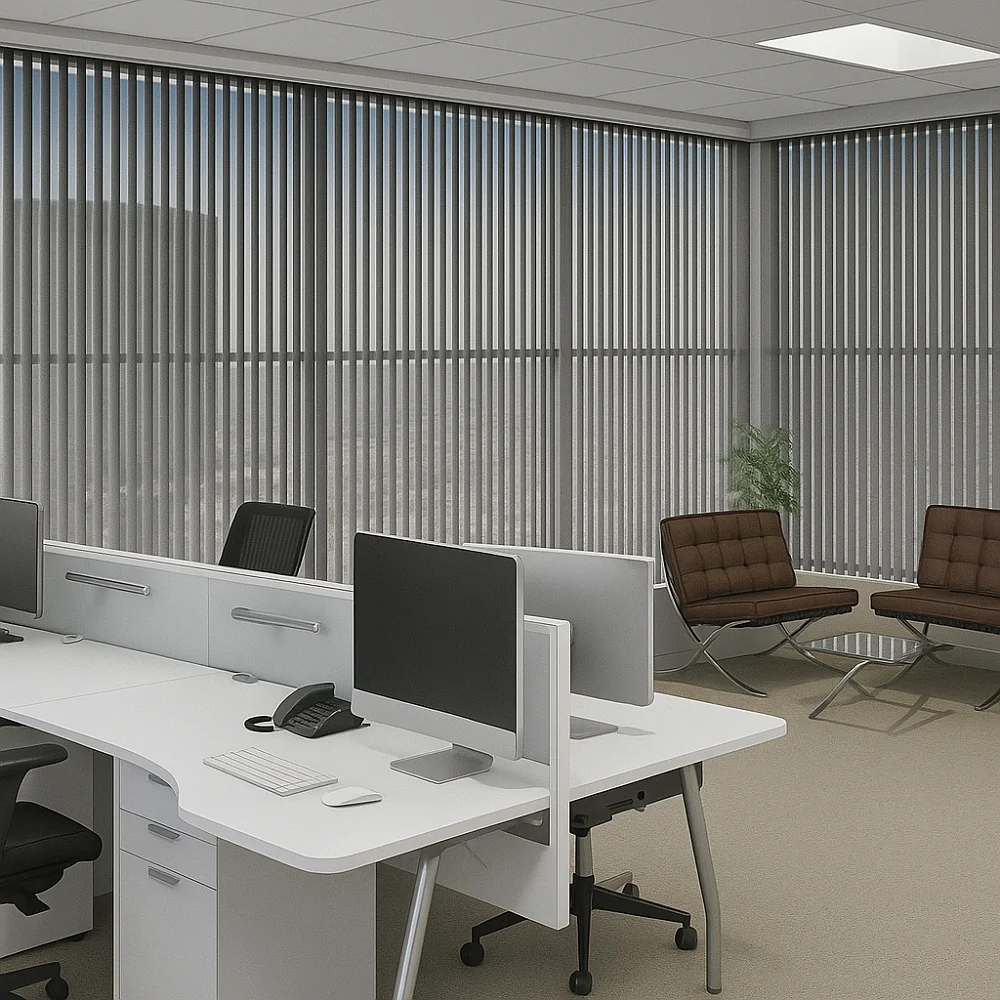
Creating a productive and comfortable workspace involves more than selecting ergonomic chairs and modern desks. Light control, privacy, and temperature regulation all play a significant role in shaping how employees feel and perform throughout the day. Window treatments are often overlooked, yet they influence everything from glare reduction to energy efficiency.
In professional environments, choosing appropriate window coverings is both a functional and aesthetic decision. From open-plan offices to executive cabins and meeting rooms, the right solution can enhance concentration, maintain privacy, and contribute to a polished interior design. This guide explores the purpose, benefits, and practical considerations of selecting the right blinds for professional spaces.
Why Window Coverings Matter in Modern Work Environments for Productivity and Comfort
Modern offices rely heavily on screens, digital devices, and collaborative spaces. Excess sunlight can cause glare on monitors, eye strain, and discomfort. At the same time, insufficient natural light can create a dull and uninspiring atmosphere.
Window coverings help balance these factors by:
- Controlling brightness without eliminating daylight
- Reducing glare on computer and presentation screens
- Creating private spaces for meetings and focused work
- Enhancing acoustic comfort by softening hard surfaces
- Improving overall visual appeal of the workspace
Properly selected blinds for office environments provide flexibility in adjusting light levels throughout the day. This adaptability is essential in dynamic workplaces where lighting needs change from morning to afternoon.
Additionally, comfortable employees tend to be more focused and productive. A well-lit environment that avoids harsh brightness contributes to reduced fatigue and better concentration.
How Different Materials Influence Light Control and Workplace Privacy
The material of a window covering significantly impacts its performance. Each material offers different levels of transparency, insulation, and durability.
Common materials include:
- Fabric: Offers soft light diffusion and decorative appeal
- Aluminum: Durable and easy to maintain, ideal for high-traffic spaces
- PVC: Moisture-resistant and suitable for humid environments
- Wood or faux wood: Adds warmth and elegance while maintaining functionality
Light-filtering fabrics allow natural daylight to enter while minimizing glare. Blackout materials are useful in conference rooms where presentations require darker conditions.
Privacy levels also vary. Sheer options provide daytime privacy but may require additional layers for nighttime coverage. Opaque materials ensure consistent privacy in executive offices or ground-floor spaces.
Selecting the appropriate material depends on the function of the room, the direction of sunlight, and the level of discretion required.
Understanding the Impact of Natural Light on Employee Focus and Wellbeing
Natural light has been linked to improved mood, increased alertness, and better sleep cycles. However, uncontrolled sunlight can create inconsistent lighting conditions that disrupt workflow.
Balanced daylight exposure offers several benefits:
- Supports circadian rhythms
- Reduces reliance on artificial lighting
- Enhances visual comfort
- Creates a more inviting atmosphere
Window treatments that allow adjustable slats or layered designs provide flexibility. Employees can modify light levels based on task requirements, whether reading reports or attending video conferences.
In shared offices, the ability to fine-tune brightness ensures that everyone can work comfortably without compromising on natural illumination.
Comparing Vertical, Roller, and Venetian Styles for Office Use
Different styles of window coverings serve different operational needs. Understanding their distinctions helps in making informed decisions.
Vertical styles are often used for large glass panels and sliding doors. They are easy to operate and provide effective light control across wide surfaces.
Roller designs offer a clean and minimalist look. They are simple to use and ideal for modern office interiors with a streamlined aesthetic.
Venetian styles feature horizontal slats that can be tilted to adjust light direction. They are highly versatile and suitable for spaces requiring precise light management.
When exploring options for general workspace areas, many organizations also consider solutions similar to blinds for windows in residential settings but adapted for commercial durability and frequent use.
Each style differs in maintenance needs, installation methods, and appearance. Choosing the right one depends on the office layout, window size, and daily usage patterns.
The Role of Interior Design in Creating Professional Office Aesthetics
Window treatments are not merely functional; they also contribute significantly to the visual identity of a workspace. Clean lines, coordinated colors, and complementary textures enhance the overall design concept.
Key design considerations include:
- Matching colors with corporate branding
- Maintaining consistency across departments
- Selecting textures that align with furniture finishes
- Creating contrast to add depth to the interior
In contemporary office settings, minimalism is often preferred. Neutral tones such as white, grey, and beige provide a professional appearance. However, subtle accent colors can introduce personality without overwhelming the space.
Careful selection ensures that window coverings blend seamlessly into the architecture rather than appearing as afterthoughts.
Maintenance Requirements and Cleaning Tips for Long-Term Performance
Office environments demand durable solutions that can withstand frequent operation. Dust accumulation, fingerprints, and environmental pollutants can affect appearance and functionality over time.
To maintain performance:
- Dust surfaces weekly using a microfiber cloth or vacuum attachment.
- Wipe metal or PVC components with a damp cloth.
- Avoid harsh chemicals that may damage finishes.
- Inspect mechanisms periodically for smooth operation.
- Address minor repairs early to prevent larger issues.
Routine maintenance extends lifespan and ensures consistent light control. In high-traffic areas, more frequent cleaning may be necessary to preserve a professional look.
How Proper Window Treatments Improve Energy Efficiency in Offices
Energy efficiency is a growing priority for businesses. Window coverings contribute by reducing heat gain during warmer months and minimizing heat loss in cooler seasons.
They support energy efficiency by:
- Blocking direct sunlight that increases indoor temperature
- Providing insulation against outdoor temperature fluctuations
- Reducing the need for excessive air conditioning
- Supporting sustainable building practices
Certain designs, such as shutter blinds, offer solid structures that enhance insulation. By controlling how much sunlight enters a room, organizations can maintain stable indoor temperatures and lower energy consumption.
This not only benefits operational costs but also contributes to environmentally responsible practices.
Safety, Durability, and Functionality Considerations for Daily Use
In busy workplaces, safety and durability are essential factors. Window treatments should operate smoothly and withstand repeated adjustments throughout the day.
Important considerations include:
- Cordless or motorized systems to reduce hazards
- Fire-resistant materials for compliance with safety standards
- Strong mounting systems for large or heavy installations
- Easy-to-use controls for accessibility
Motorized options are particularly beneficial in large conference rooms or high windows, allowing convenient adjustment without physical strain.
Durability ensures that the solution remains functional and visually appealing even after years of consistent use. Selecting high-quality components reduces maintenance disruptions and enhances long-term reliability.
Conclusion
Window coverings play a vital role in shaping a productive, comfortable, and visually cohesive office environment. From managing natural light and improving privacy to enhancing energy efficiency and supporting safety, their impact extends beyond aesthetics.
By carefully considering materials, styles, maintenance needs, and workplace requirements, organizations can create environments that support employee wellbeing and operational efficiency. Thoughtful planning ensures that window treatments contribute meaningfully to both functionality and design.
FAQs
- What type of window covering is best for reducing screen glare?
Adjustable designs such as Venetian or vertical styles are effective because they allow precise control over light direction, minimizing glare on computer monitors and presentation screens. - How do window treatments affect employee productivity?
Proper light control reduces eye strain and discomfort, while balanced natural lighting supports alertness and focus, contributing to improved productivity. - Are certain materials better for insulation in offices?
Yes, thicker materials and solid structures offer better insulation. Options with layered construction or rigid panels can help regulate indoor temperature more effectively. - How often should office window coverings be cleaned?
Light dusting should be done weekly, while deeper cleaning can be performed monthly or as needed depending on environmental conditions and usage frequency. - What features improve privacy in shared workspaces?
Opaque materials, adjustable slats, and layered solutions provide flexible privacy control, ensuring confidential meetings and focused tasks remain undisturbed.