
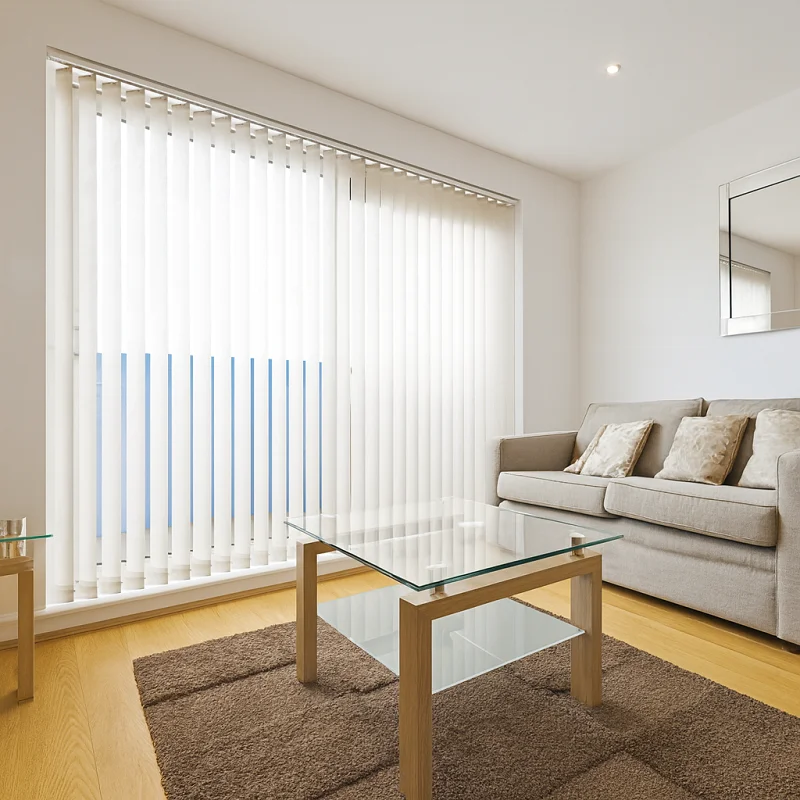
Balconies serve as valuable extensions of living spaces, especially in apartments and high-rise residences. Whether used for relaxation, gardening, or social gatherings, they connect indoor comfort with the outdoor environment. However, exposure to sunlight, wind, dust, and neighboring buildings can limit how functional and comfortable a balcony truly feels.
Installing suitable balcony coverings can dramatically improve usability and privacy. Beyond decorative appeal, these fabric solutions help regulate temperature, reduce glare, and create a more secluded atmosphere. This guide explores how balcony curtains enhance comfort, protect interiors, and support long-term durability in various climates.
The Importance of Outdoor Fabric Solutions for Weather Protection
Balconies are directly exposed to environmental elements. Constant sunlight, occasional rain, dust storms, and wind can affect both the balcony space and adjacent indoor areas.
Outdoor fabric solutions provide essential protection by:
- Blocking harsh UV rays that fade furniture
- Reducing wind intensity on seating areas
- Limiting dust from entering indoor rooms
- Offering light rain protection in partially covered balconies
High-quality curtains for balcony installations act as a protective barrier between the interior and exterior. They create a shaded zone that allows residents to enjoy fresh air without direct exposure to intense sunlight.
Additionally, weather-resistant fabrics are often designed to dry quickly and resist mildew. This ensures long-term usability even in humid climates. Choosing materials specifically made for outdoor conditions significantly improves durability and performance.
How Balcony Coverings Help Regulate Indoor Temperature Naturally
Balconies often feature large glass doors or windows connecting them to living rooms or bedrooms. Direct sunlight passing through these openings can increase indoor temperatures, leading to discomfort and increased reliance on cooling systems.
Balcony coverings help regulate indoor climate by:
- Blocking direct solar heat before it reaches glass surfaces
- Reducing glare that reflects inside the home
- Creating an insulating layer between indoor and outdoor environments
By minimizing heat gain, balcony curtains contribute to a cooler interior during warmer months. In cooler seasons, they also help reduce heat loss by acting as an additional barrier.
This natural temperature control improves comfort and supports energy efficiency without altering the building structure. Over time, this contributes to a more stable and pleasant indoor atmosphere.
Understanding Privacy Benefits in High-Rise Residential Buildings
Urban living often involves closely spaced residential towers. Balconies can be visible from neighboring buildings, compromising privacy for homeowners.
Balcony curtains enhance privacy by:
- Blocking direct lines of sight from nearby apartments
- Creating enclosed spaces for relaxation
- Allowing residents to control visibility throughout the day
Unlike fixed partitions, curtains provide flexibility. They can be drawn fully for maximum privacy or partially opened to allow airflow and light.
This adaptability is particularly beneficial in high-rise environments where visibility changes depending on lighting conditions. During the evening, interior lighting can make homes more visible from outside, and adjustable coverings provide an effective solution.
Fabric Types That Withstand Sunlight, Dust, and Humidity
Choosing the right fabric is essential for long-term performance. Outdoor conditions can cause fading, tearing, or mildew growth if materials are not designed for exposure.
Common fabric options include:
- Polyester blends: Durable and resistant to stretching
- Acrylic fabrics: Excellent UV resistance and color retention
- PVC-coated materials: Water-resistant and easy to clean
- Breathable mesh fabrics: Allow airflow while reducing glare
For design versatility, some homeowners also prefer structured styles similar to eyelet curtains because they slide smoothly and create uniform folds. While typically associated with interiors, similar heading styles can be adapted for covered balconies.
Selecting the correct fabric ensures:
- Resistance to fading
- Minimal maintenance requirements
- Structural integrity in windy conditions
- Comfortable airflow
Evaluating climate conditions and balcony exposure levels helps determine the most suitable material.
Installation Methods That Enhance Stability and Long-Term Use
Proper installation plays a major role in performance and safety. Outdoor curtains must be securely mounted to withstand wind pressure and frequent movement.
Common installation approaches include:
- Wall-mounted rods secured with heavy-duty brackets
- Overhead tracks attached to ceilings or beams
- Tension wires for lightweight applications
- Motorized systems for convenience in larger spaces
A sturdy ceiling curtain rail system ensures smooth operation and even weight distribution. Ceiling-mounted options are particularly useful in covered balconies where wall space is limited.
When installing balcony coverings, consider:
- Wind exposure levels
- Weight of the fabric
- Accessibility for cleaning and maintenance
- Drainage to prevent water pooling
Professional-grade mounting systems reduce wear and tear while maintaining safety.
Design Considerations for Matching Exterior and Interior Decor
Balcony curtains influence both the exterior façade and interior ambiance. Selecting the right design ensures visual harmony throughout the home.
Important design factors include:
- Coordinating colors with interior décor
- Choosing neutral tones for timeless appeal
- Considering texture to complement flooring and furniture
- Maintaining consistency with building aesthetics
Light-colored fabrics reflect sunlight and help keep spaces cooler, while darker shades offer enhanced privacy. Patterns can add personality but should not overwhelm the overall design scheme.
A cohesive approach ensures that the balcony feels like a natural extension of the indoor living space rather than a separate area.
Maintenance Practices to Extend Fabric Lifespan Outdoors
Outdoor fabrics are exposed to dust, moisture, and pollution. Regular maintenance is essential to preserve appearance and durability.
Recommended maintenance steps include:
- Brushing off loose dust weekly
- Spot-cleaning stains with mild detergent
- Washing removable panels periodically according to manufacturer guidelines
- Allowing fabrics to dry completely before storing or retracting
Avoid using harsh chemicals that may damage coatings or reduce UV resistance. In areas with heavy pollution or frequent sand exposure, more frequent cleaning may be necessary.
Routine care prevents premature fading and material breakdown, ensuring long-term functionality.
Safety Considerations for Homes with Children and Pets
Safety should always be prioritized, especially in family homes. Balcony curtains must be securely installed and easy to operate without creating hazards.
Key safety considerations include:
- Using cordless or concealed control mechanisms
- Ensuring rods and rails are firmly anchored
- Avoiding excessively long trailing fabrics
- Selecting fire-retardant materials where possible
Secure installation reduces risks during windy conditions. Additionally, smooth-operating systems prevent accidental damage when children or pets interact with the space.
Thoughtful planning ensures that balcony coverings enhance comfort without compromising safety.
Conclusion
Balcony curtains are more than decorative elements. They provide essential protection from weather, regulate indoor temperatures, enhance privacy, and contribute to overall comfort. By selecting appropriate fabrics, installation systems, and designs, homeowners can transform balconies into functional and inviting spaces.
With proper maintenance and thoughtful planning, balcony coverings become a long-term investment in both comfort and privacy. They allow residents to enjoy outdoor connections while maintaining control over light, temperature, and visibility.
FAQs
- How do balcony coverings reduce heat inside the home?
They block direct sunlight before it reaches glass doors or windows, reducing heat transfer and helping maintain a cooler indoor environment. - What fabrics are suitable for outdoor exposure?
Acrylic, polyester blends, and PVC-coated materials are commonly used because they resist UV damage, moisture, and mildew. - Can balcony curtains improve privacy in apartments?
Yes, they block visibility from neighboring buildings and allow residents to adjust coverage according to their needs. - How should outdoor curtains be cleaned and maintained?
Regular dust removal, mild detergent spot cleaning, and periodic washing help preserve fabric quality and appearance. - What installation options work best for windy areas?
Heavy-duty ceiling-mounted rails or securely anchored rods provide stability and reduce movement during strong winds.